Tell us about the job
Takes about a minute. No obligation.
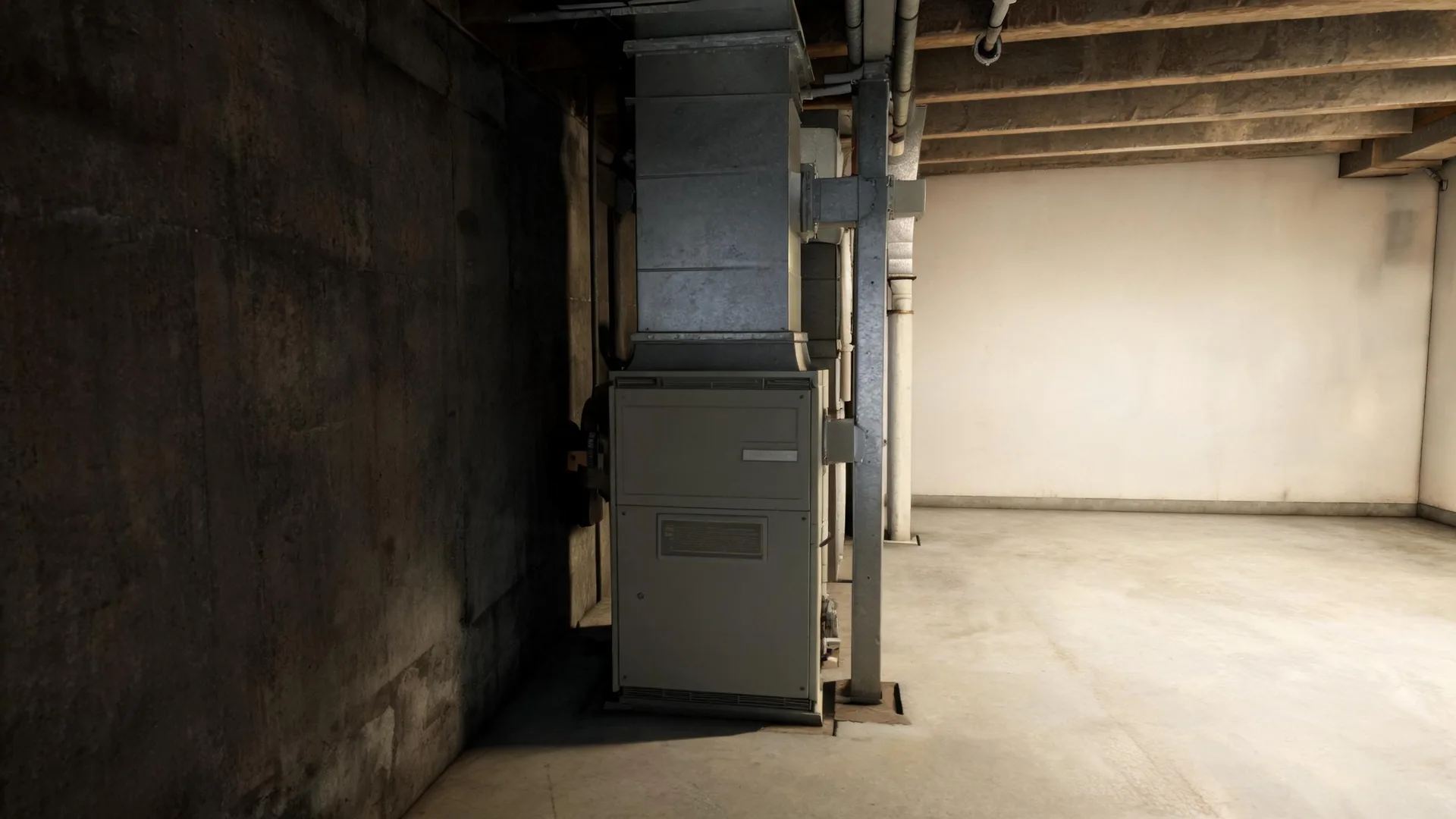
Sizing a furnace for Tillamook County starts with understanding what the burner and heat exchanger are actually asked to carry. Homes in Tillamook County, OR run heat about ten months a year, from September through June. The ignition system fires, the heat exchanger flexes through thermal cycles, and the burner runs through conditions that a system in a milder climate simply does not face at the same volume. A contractor who skips a proper load calculation here installs a system that is either working harder than it should or cycling inefficiently, and both paths shorten the life of the components that take the most punishment.
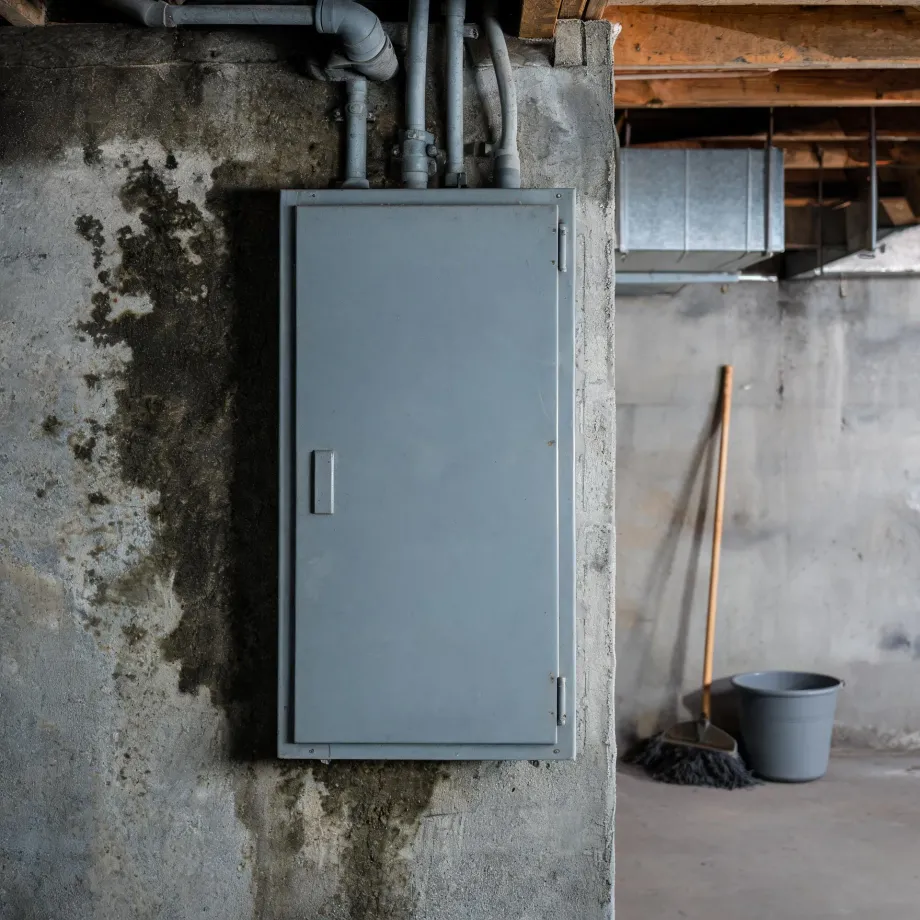
Existing ductwork is what a furnace installation turns on here, and in much of this county's housing stock it was designed around equipment that is no longer in the house. Half the homes in Tillamook County, Oregon were built in 1980 or earlier (2020-2024 ACS 5-year). That gap between what was built into the house and what runs in it now means a contractor has to assess the duct layout and capacity before the new unit can be sized or placed. Sheet metal routed for one system does not automatically carry another, and a job that looks straightforward from the street can require significant duct modification once the work is underway.
What Gets Installed With a New Furnace
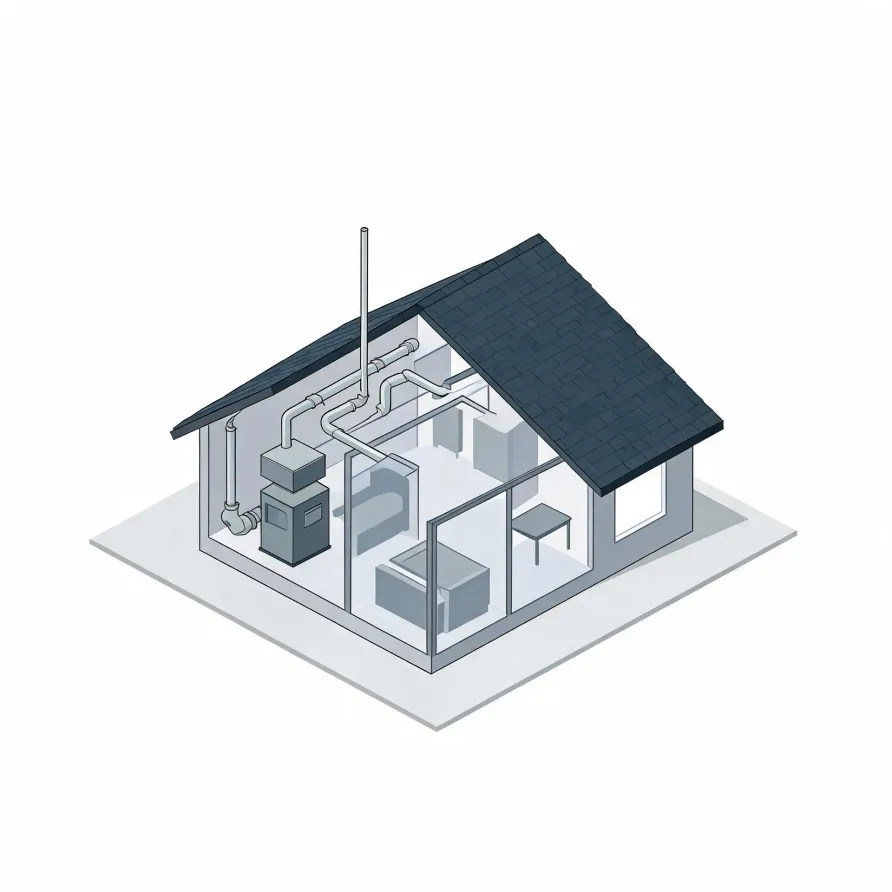
The furnace itself sits inside the house, most often in a basement, utility closet, or garage. It holds the burner assembly, the heat exchanger, and the blower, all in one cabinet. That cabinet is the piece a contractor sets in place and connects to everything else.
The flue pipe runs from the furnace to an exterior wall or up through the roof, carrying combustion gases out of the house. The thermostat mounts on an interior wall and tells the furnace when to run. A new installation also includes a filter housing, which slides into the cabinet or sits at the return-air opening nearby.
The drawing shows a typical layout, and a licensed contractor will determine what applies to this specific house.
Get matched in Tillamook CountyTillamook County, by the record
10 severe weather events were recorded in Tillamook County, Oregon between 2015 and 2024.
NOAA National Centers for Environmental Information, Storm Events Database, bulk CSV export, events 2015-01-01 through 2024-12-31.Half the homes in Tillamook County, Oregon were built in 1980 or earlier (2020-2024 ACS 5-year).
U.S. Census Bureau, 2020-2024 American Community Survey 5-Year EstimatesTillamook County, Oregon holds 19,213 housing units (2020-2024 ACS 5-year).
U.S. Census Bureau, 2020-2024 American Community Survey 5-Year EstimatesOwners occupy 74.3% of the occupied homes in Tillamook County, Oregon (2020-2024 ACS 5-year).
U.S. Census Bureau, 2020-2024 American Community Survey 5-Year EstimatesFurnace Installation Rules & Standards for Tillamook County, Oregon6 sourced codes and standards
What the installation actually looks like
Non-weatherized gas furnaces manufactured on or after November 19, 2015 must reach 80.0 percent AFUE.
Non-weatherized oil-fired furnaces manufactured on or after November 19, 2015 must reach 83.0 percent AFUE.
Mobile home gas furnaces manufactured on or after November 19, 2015 must reach 80.0 percent AFUE.
Non-weatherized gas furnaces manufactured on or after December 18, 2028 must reach 95.0 percent AFUE, up from the 80.0 percent minimum that applies to units manufactured before that date.
Licensing Rules for HVAC Work in Tillamook County, Oregon
Oregon’s contractor licence does not reach casual, minor or inconsequential work on one structure where the person’s contracts total less than $1,000 — and the exemption is unavailable to anyone who advertises or signs themselves as a contractor, at any price.
Oregon requires a current Construction Contractors Board licence, with the right endorsement, to undertake, offer to undertake or bid construction work.