Tell us about the job
Takes about a minute. No obligation.
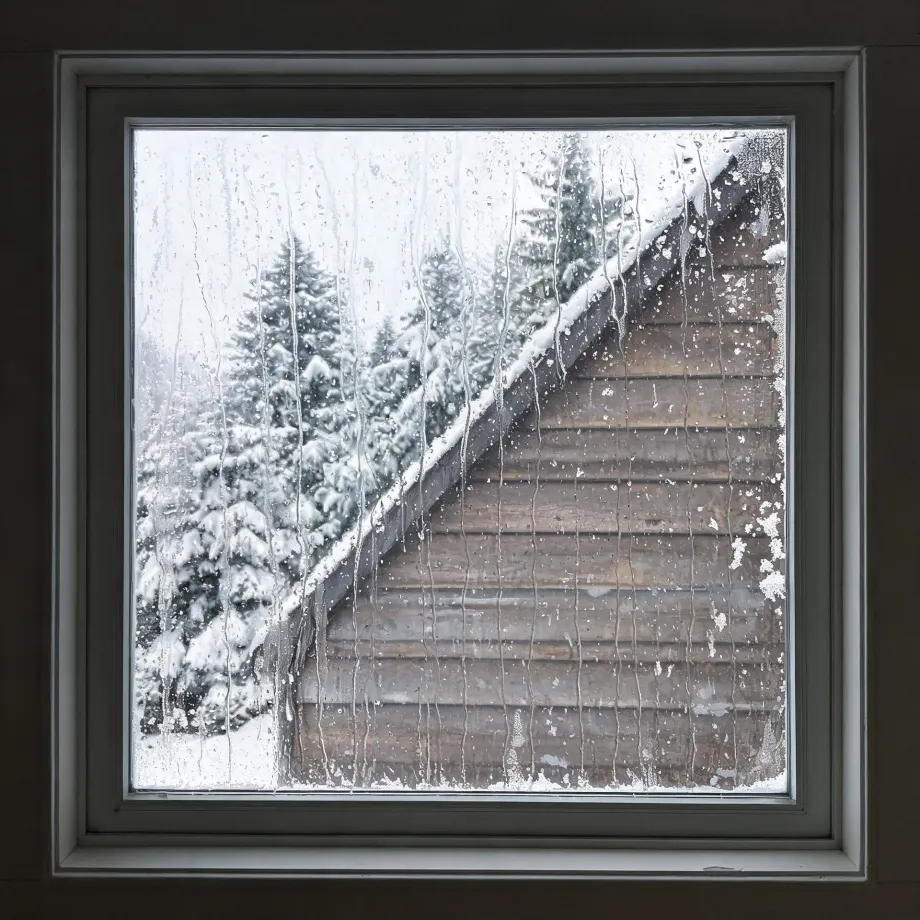
Sizing a furnace for this county is a decision that compounds over years. Homes in Josephine County, OR run heat about nine months a year, from October through June. A burner and heat exchanger cycling through that kind of sustained demand will surface the consequences of an undersized or poorly installed unit well before a homeowner expects it, because the system has little idle time to absorb the slack. A contractor quoting a replacement here works out the true heat load of the house before committing to equipment, not after.
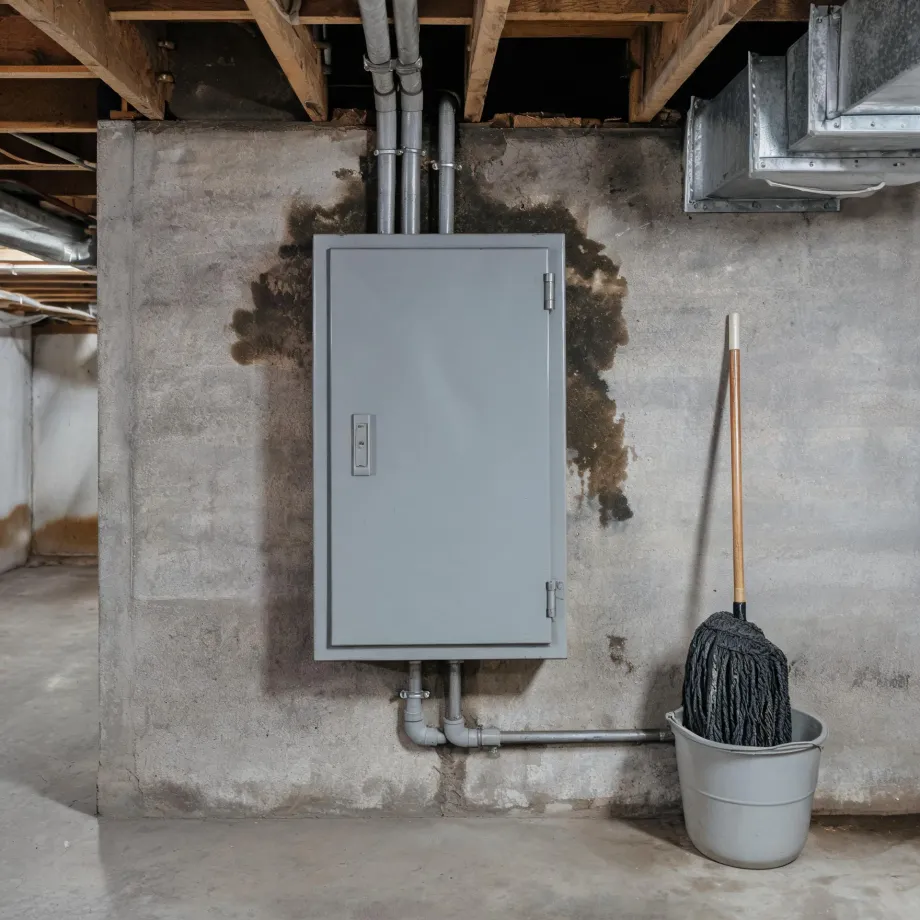
Ductwork sized for equipment that no longer exists is what a contractor meets in a substantial portion of homes here. Half the homes in Josephine County, Oregon were built in 1982 or earlier (2020-2024 ACS 5-year). That history matters for installation specifically: a new furnace draws differently than what it replaces, and ducts that do not move that volume correctly leave a system that runs but does not perform. The electrical service in houses of this vintage was also set up for something earlier, and whether the panel accommodates a new unit is a separate check before any quote is firm.
What Gets Installed With a New Furnace
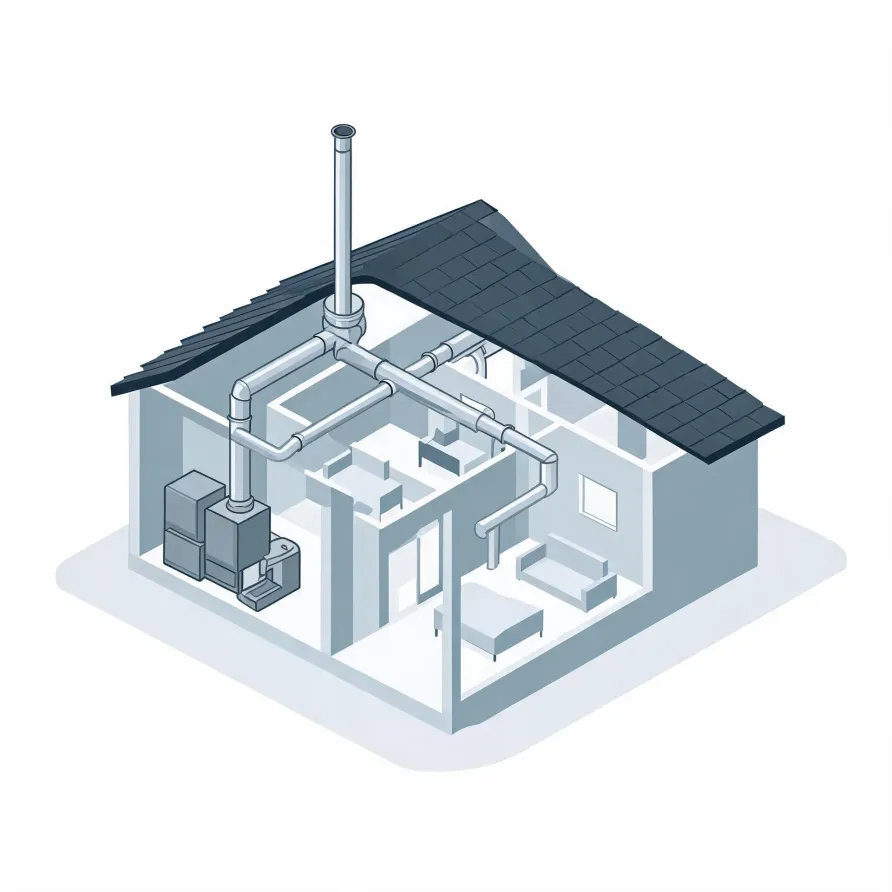
The furnace itself sits in a utility space, basement, or closet and is the unit a homeowner would recognize on sight. Inside it, a heat exchanger and a burner assembly work together to produce warm air, while a blower motor pushes that air out into the home. The flue pipe runs from the unit to an exterior wall or the roof and carries combustion exhaust out of the house.
A contractor also installs the air handler components that connect the furnace to the rest of the system. The filter housing mounts at the return-air intake, and the thermostat goes on an interior wall where it reads the temperature of the living space and signals the furnace to run. Each of these pieces has to be set in the right location for the system to function as a whole.
The drawing shows a general layout of how these pieces relate to one another, and a licensed contractor determines exactly what fits and where in your specific home.
Get matched in Josephine CountyJosephine County, by the numbers
91 severe weather events were recorded in Josephine County, Oregon between 2015 and 2024.
NOAA National Centers for Environmental Information, Storm Events Database, bulk CSV export, events 2015-01-01 through 2024-12-31.Half the homes in Josephine County, Oregon were built in 1982 or earlier (2020-2024 ACS 5-year).
U.S. Census Bureau, 2020-2024 American Community Survey 5-Year EstimatesJosephine County, Oregon holds 39,503 housing units (2020-2024 ACS 5-year).
U.S. Census Bureau, 2020-2024 American Community Survey 5-Year EstimatesOwners occupy 71.7% of the occupied homes in Josephine County, Oregon (2020-2024 ACS 5-year).
U.S. Census Bureau, 2020-2024 American Community Survey 5-Year EstimatesFurnace Installation Rules for Josephine County, Oregon6 sourced standards and codes
What happens when a contractor comes out
Non-weatherized gas furnaces manufactured on or after November 19, 2015 must reach 80.0 percent AFUE.
Non-weatherized oil-fired furnaces manufactured on or after November 19, 2015 must reach 83.0 percent AFUE.
Mobile home gas furnaces manufactured on or after November 19, 2015 must reach 80.0 percent AFUE.
Non-weatherized gas furnaces manufactured on or after December 18, 2028 must reach 95.0 percent AFUE, up from the 80.0 percent minimum that applies to units manufactured before that date.
Licensing Rules for Josephine County, Oregon
Oregon’s contractor licence does not reach casual, minor or inconsequential work on one structure where the person’s contracts total less than $1,000 — and the exemption is unavailable to anyone who advertises or signs themselves as a contractor, at any price.
Oregon requires a current Construction Contractors Board licence, with the right endorsement, to undertake, offer to undertake or bid construction work.
Weather Stress on HVAC Equipment in Josephine County
Heating equipment in Josephine County works against local conditions, not abstract averages. Severe weather events put hours on a furnace fast, and those hours shape what size, grade, and installation approach a contractor will recommend here.
91 severe weather events, 2015–2024. Source: NOAA National Centers for Environmental Information, Storm Events Database.