Tell us about the job
Takes about a minute. No obligation.
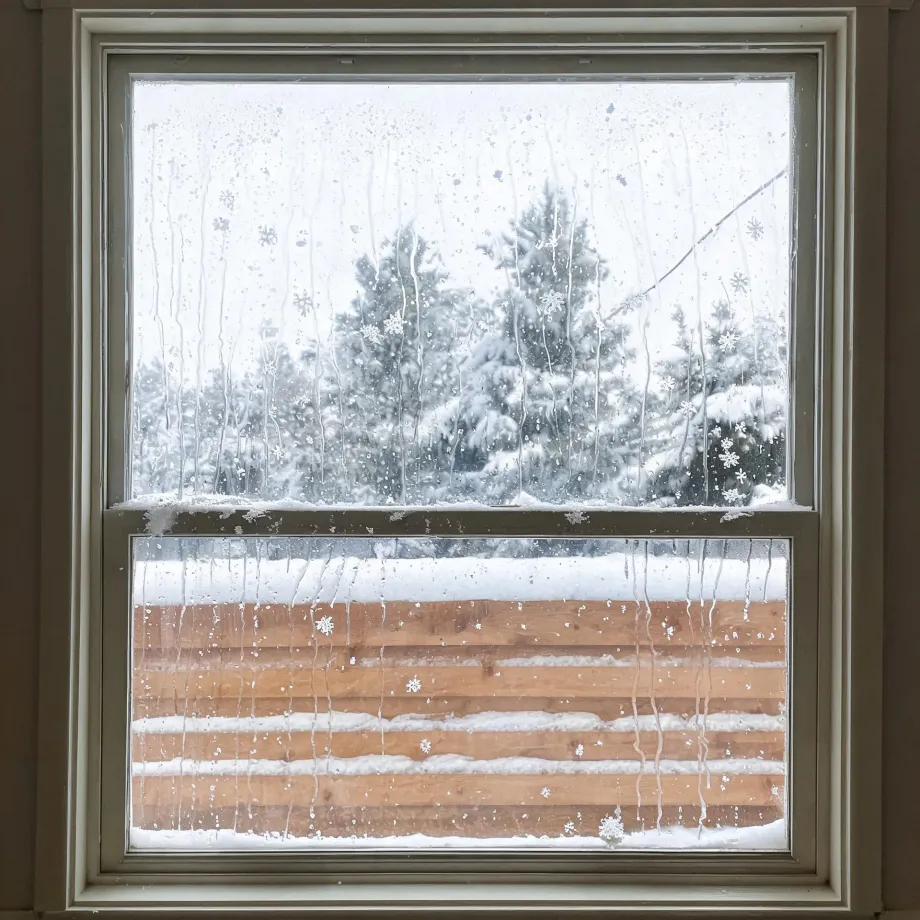
Sizing a furnace for Wheeler County starts with understanding what the burner is actually asked to do year after year. Homes in Wheeler County, OR run heat about ten months a year, from September through June. A burner cycling through that kind of season puts steady stress on the heat exchanger and ignition system, and a unit that is undersized by even a small margin works harder on every cold morning to hold temperature. The installer has to run a load calculation specific to this house, not pull a number from a regional average, because the gap between a correct size and a close guess shows up in the components that carry the most cycles.
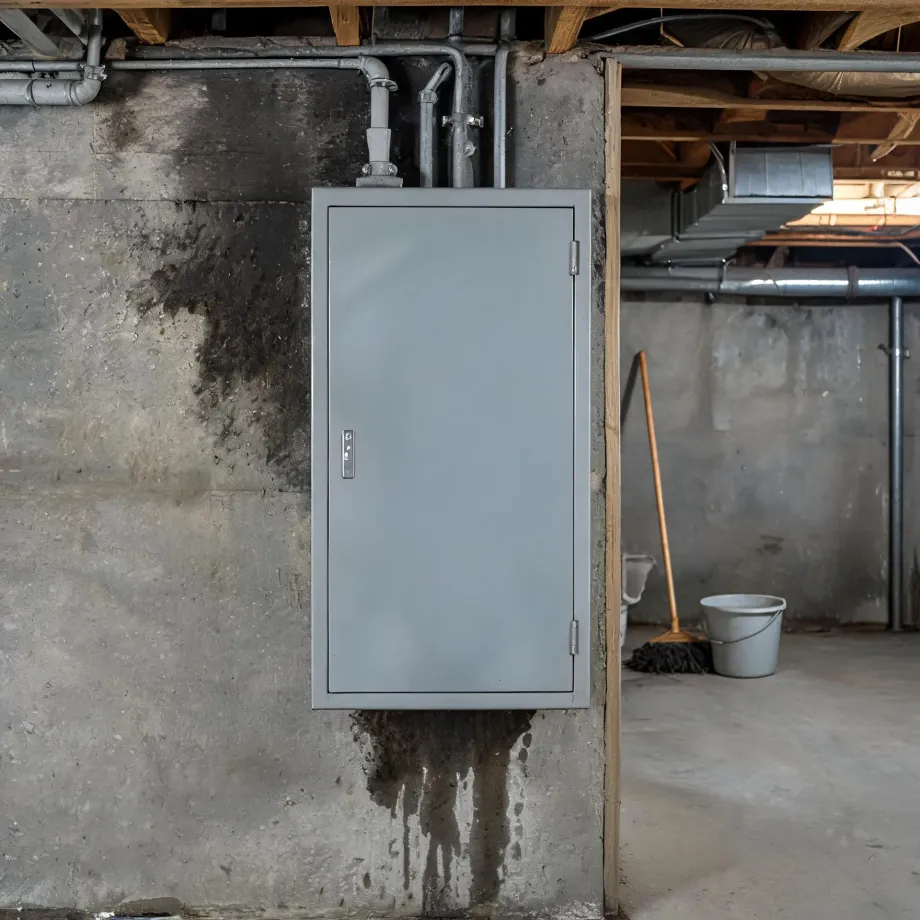
Ductwork laid out for one generation of furnace does not automatically carry the next one. Half the homes in Wheeler County, Oregon were built in 1975 or earlier (2020-2024 ACS 5-year). That history matters for installation because the ducts running through these walls were sized around equipment that is long gone, and what a contractor finds when they open the system up determines whether the existing layout can handle what a new furnace moves. Electrical service is the same question. A new unit's draw has to match what the panel can supply, and in stock this age that panel has often been asked to do more than it was originally built for.
What Gets Installed With a New Furnace
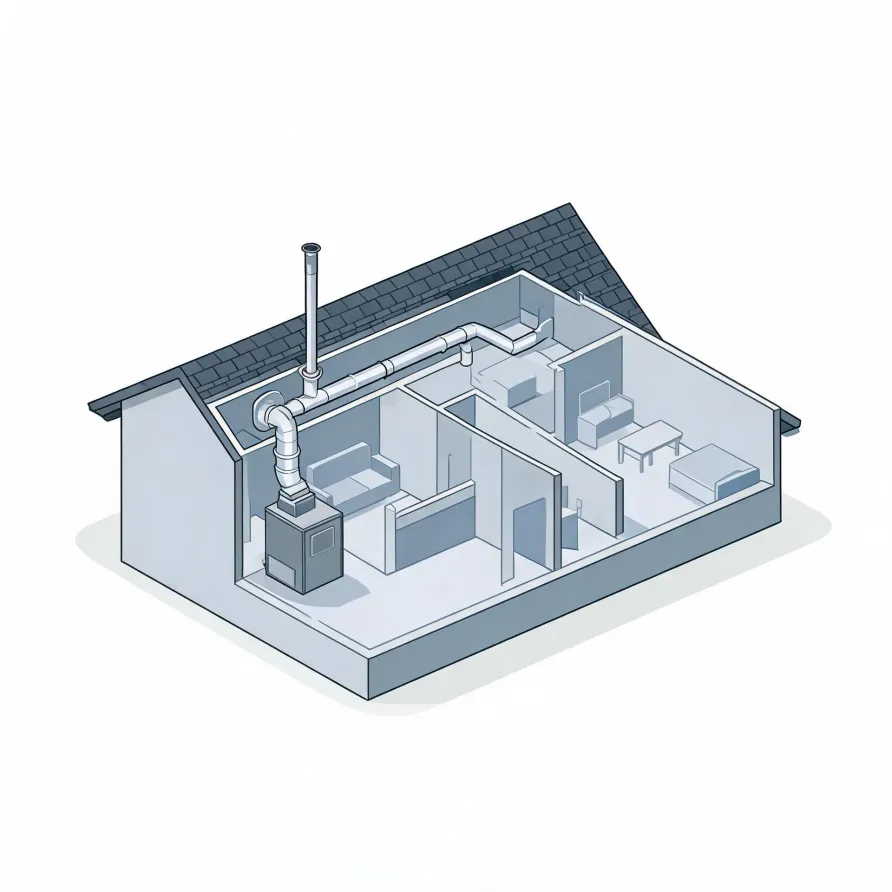
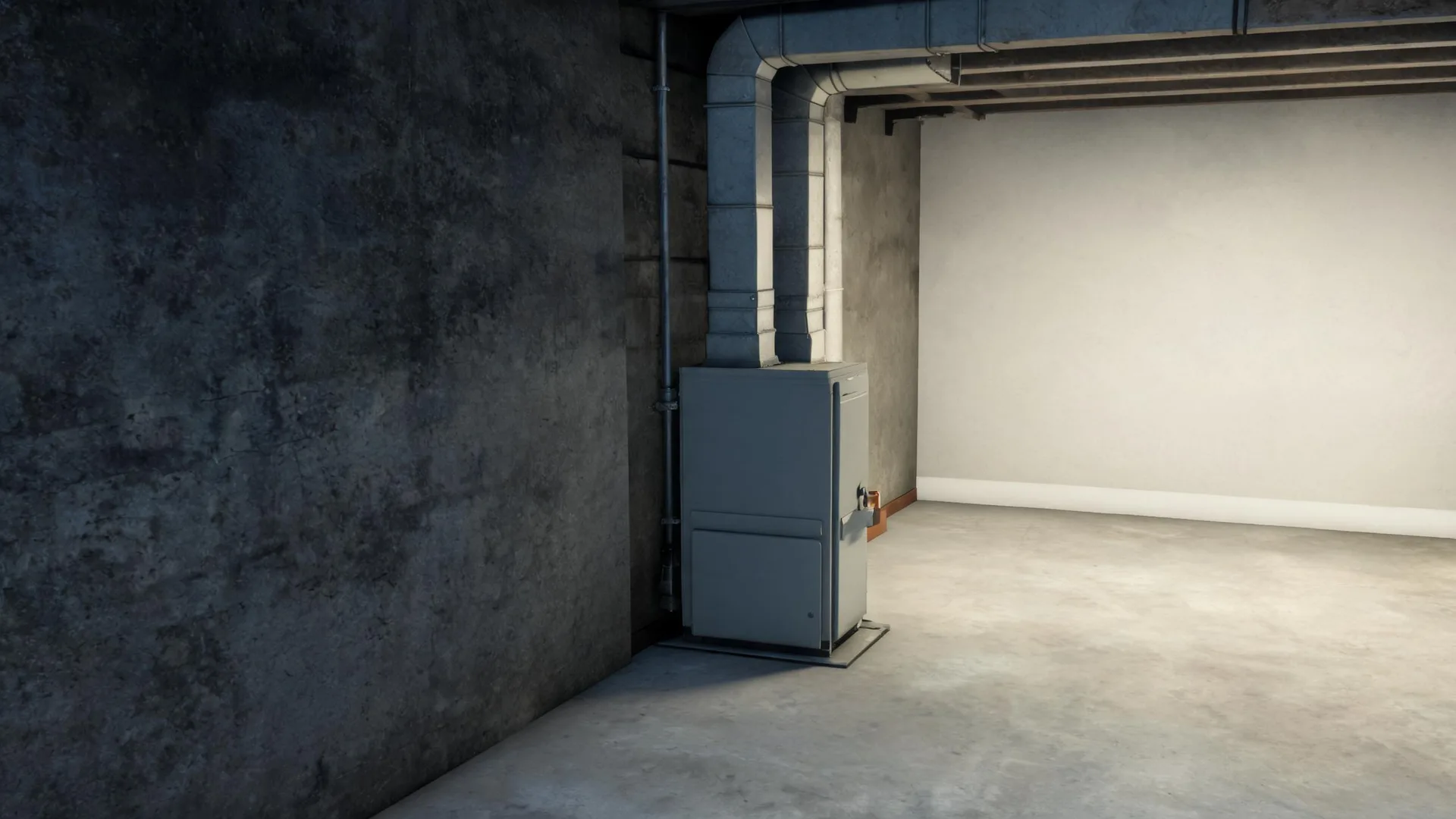
The furnace itself sits in a utility room, basement, or garage and is the heart of what a contractor installs. Inside the cabinet, a heat exchanger and a burner assembly do the heating work, while a blower motor pushes the conditioned air out into the house. The flue pipe runs from the furnace up and out of the building to carry combustion gases away.
A contractor also installs the thermostat on an interior wall where it can read the home's air temperature accurately. The gas line connection and the condensate drain, if the unit is a high-efficiency model, are both tied in at the furnace cabinet itself. A filter housing sits at the return-air opening, right where air enters the system before it reaches the furnace.
The drawing shows a typical layout, and a licensed contractor determines exactly what applies to your home.
Get matched in Wheeler CountyWheeler County, by the numbers
98 severe weather events were recorded in Wheeler County, Oregon between 2015 and 2024.
NOAA National Centers for Environmental Information, Storm Events Database, bulk CSV export, events 2015-01-01 through 2024-12-31.Half the homes in Wheeler County, Oregon were built in 1975 or earlier (2020-2024 ACS 5-year).
U.S. Census Bureau, 2020-2024 American Community Survey 5-Year EstimatesWheeler County, Oregon holds 908 housing units (2020-2024 ACS 5-year).
U.S. Census Bureau, 2020-2024 American Community Survey 5-Year EstimatesOwners occupy 71.8% of the occupied homes in Wheeler County, Oregon (2020-2024 ACS 5-year).
U.S. Census Bureau, 2020-2024 American Community Survey 5-Year EstimatesCodes & Standards Governing Furnace Installation in Wheeler County, Oregon6 sourced rules and standards
What Happens During Your Furnace Installation in Wheeler County
Non-weatherized gas furnaces manufactured on or after November 19, 2015 must reach 80.0 percent AFUE.
Non-weatherized oil-fired furnaces manufactured on or after November 19, 2015 must reach 83.0 percent AFUE.
Mobile home gas furnaces manufactured on or after November 19, 2015 must reach 80.0 percent AFUE.
Non-weatherized gas furnaces manufactured on or after December 18, 2028 must reach 95.0 percent AFUE, up from the 80.0 percent minimum that applies to units manufactured before that date.
Licensing and Legal Requirements in Wheeler County, Oregon
Oregon’s contractor licence does not reach casual, minor or inconsequential work on one structure where the person’s contracts total less than $1,000 — and the exemption is unavailable to anyone who advertises or signs themselves as a contractor, at any price.
Oregon requires a current Construction Contractors Board licence, with the right endorsement, to undertake, offer to undertake or bid construction work.
Severe Weather Events in Wheeler County
Heating equipment in Wheeler County works against whatever the local climate puts on it, and that workload shapes what a furnace needs to handle over its lifetime. A contractor sizing and installing equipment here has to account for the conditions recorded in this area, not just general Oregon averages.
98 severe weather events, 2015–2024. Source: NOAA National Centers for Environmental Information, Storm Events Database.