

Running clean
A furnace in good shape burns steady and vents straight out through its pipes. The blower moves air through the ducts without strain, and the system cycles on and off the way it was built to, no longer than it needs to.
A local pro who services furnaces gets in touch about the tune-up.
Find a pro near meYour furnace kicks on and within a few weeks your skin feels tight, your lips are chapped, and static is jumping off every doorknob. The air outside hasn't changed much, but the air inside your house has. It's natural to wonder if something is wrong with the furnace itself, or if this is just what happens every year once the heat runs.
Cold outdoor air already carries little moisture. Once your furnace heats that air, its capacity to hold moisture goes up, but the actual water in it stays the same, so the relative humidity inside your house drops. That's what you feel as dry skin, static shocks, and wood trim that seems to shrink a little in January. Since most homes in Oregon heat with electric furnaces or heat pumps that run often through the cold months, that drying effect isn't a one-time thing, it builds the longer the system runs each day. It isn't a sign of a broken furnace. It's a normal side effect of pushing warm air through a house in a cold climate, and it's worth checking whether your system is set up to put any moisture back.




Wood floors creak more than they used to. A picture frame or two has pulled apart at the corner. Houseplants need water more often even though you haven't moved them. You wake up with a dry throat, or your kids do. Static shocks off the doorknob, the stair rail, even your dog. Electric heat doesn't add moisture the way a gas furnace's combustion can, so the air it pushes out is drier than what you're used to from the AC in summer. Left alone through a full Oregon winter, that dry air can open seams in wood trim and flooring, and it makes a cold house feel colder, so you may find yourself nudging the thermostat up just to feel comfortable.
Electric heat warms the air without adding any moisture to it.
Warm air holds more moisture than cold air can.
That warm air pulls moisture from your skin, furniture and plants.
Cracked windows and doors let the dry indoor air escape outside.


Your furnace isn't adding dry air to your house. It's reusing the same air over and over, and each pass takes a little more moisture with it. The blower pulls air in through the return duct, pushes it across the heating coils, and sends it back out through the supply vents. Nothing in that loop puts water back in, not with electric coils and not with a gas flame either, since a gas furnace vents its combustion byproducts straight outside through the flue. The filter in that airstream only catches dust. It has nothing to do with moisture one way or the other. So the drying isn't a one-time event from turning the heat on. It's cumulative, loop after loop, day after day, as that same air keeps picking up a bit more moisture from your skin, your furniture, your plants, and carrying it along. If your thermostat has the fan set to run continuously instead of cycling on and off with the heat, that air moves through your house even more often, and the drying happens faster.



A licensed local pro takes the request for your furnace tune-up.
Describe your furnace job, and a local pro who handles it gets in touch.
There's no charge for the request.

Dry air doesn't stop at your skin. It pulls moisture out of wood trim, cabinet doors, and any hardwood or furniture you have, and that wood shrinks as it dries. That's the gap opening up in a picture frame joint or a floorboard. Keep it up for a full Oregon winter and those small separations tend to stay, even after the air evens out in spring.
A maintenance visit won't add humidity to your house, but it does make sure your furnace is running the way it's supposed to and nothing about the system itself is making the air drier than it has to be. A local contractor who services electric furnaces all winter can check yours, tell you if anything's off, and talk through what's reasonable for a house like yours. You'd be matched with one contractor, not a handful, so it's a single visit from someone who already knows this kind of system.


A furnace in good shape burns steady and vents straight out through its pipes. The blower moves air through the ducts without strain, and the system cycles on and off the way it was built to, no longer than it needs to.

An older furnace working harder shows it. The flue connection, the ducts, the cabinet itself all carry more wear, and a unit left unchecked season after season drifts further from how it ran when it was new.
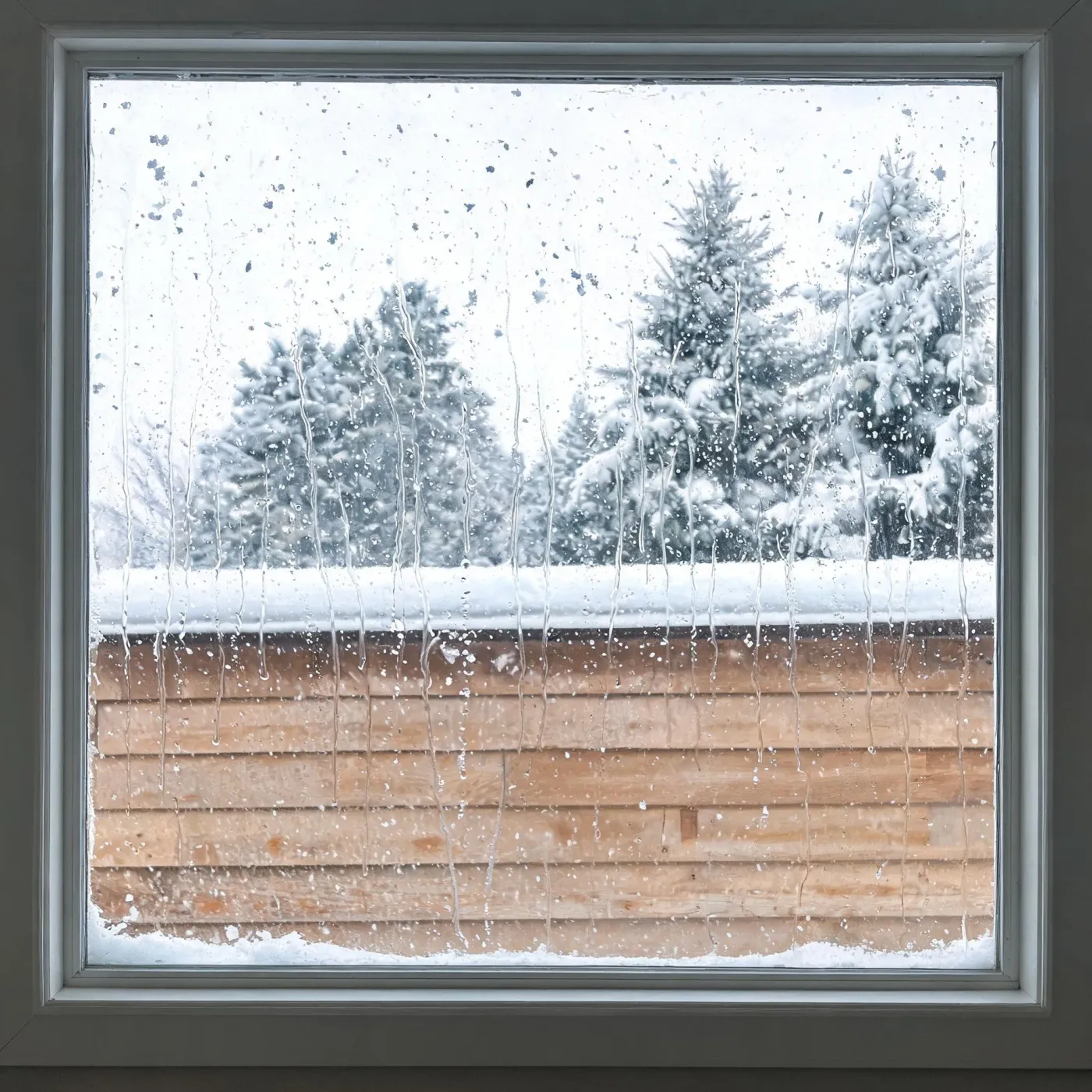
Winter nights average 32°F statewide, per NOAA. That's cold enough for your furnace to run long stretches most nights from November through February. Most homes in Oregon heat with electricity, and that electric heat runs dry the whole time it's on. The longer a cold night runs your furnace, the more hours that dry air has to work on your house. A mild night might only need an hour or two of heat. A cold one can mean the furnace runs most of the night, and by morning you'll notice it more, in your skin, your sinuses, the static when you touch a doorknob.
NOAA nClimDiv 1991-2020 county normals weighted by homes
The dryness isn't a mystery and it isn't something you have to live with. Electric heat runs dry by nature, and the fix is keeping the furnace itself in shape so it isn't working harder than it needs to while it does it. A furnace that cycles properly, with clean coils and a blower that isn't straining, treats the air inside your house better over the course of a winter. Maintenance won't put moisture back into the air, but a humidifier tied into your system can, and a contractor who services furnaces in Oregon all winter knows which humidifier setups hold up with electric systems and which parts tend to need attention first. You'd be matched with one local contractor, licensed to do the work, not a handful of companies competing for your call. That means someone who already knows this equipment looking at your specific furnace, not a stranger guessing. Your house will still get dry some winters. What's in your control is whether the furnace running is adding to that problem or not.

Only one pro gets your request, so you hear from one company.