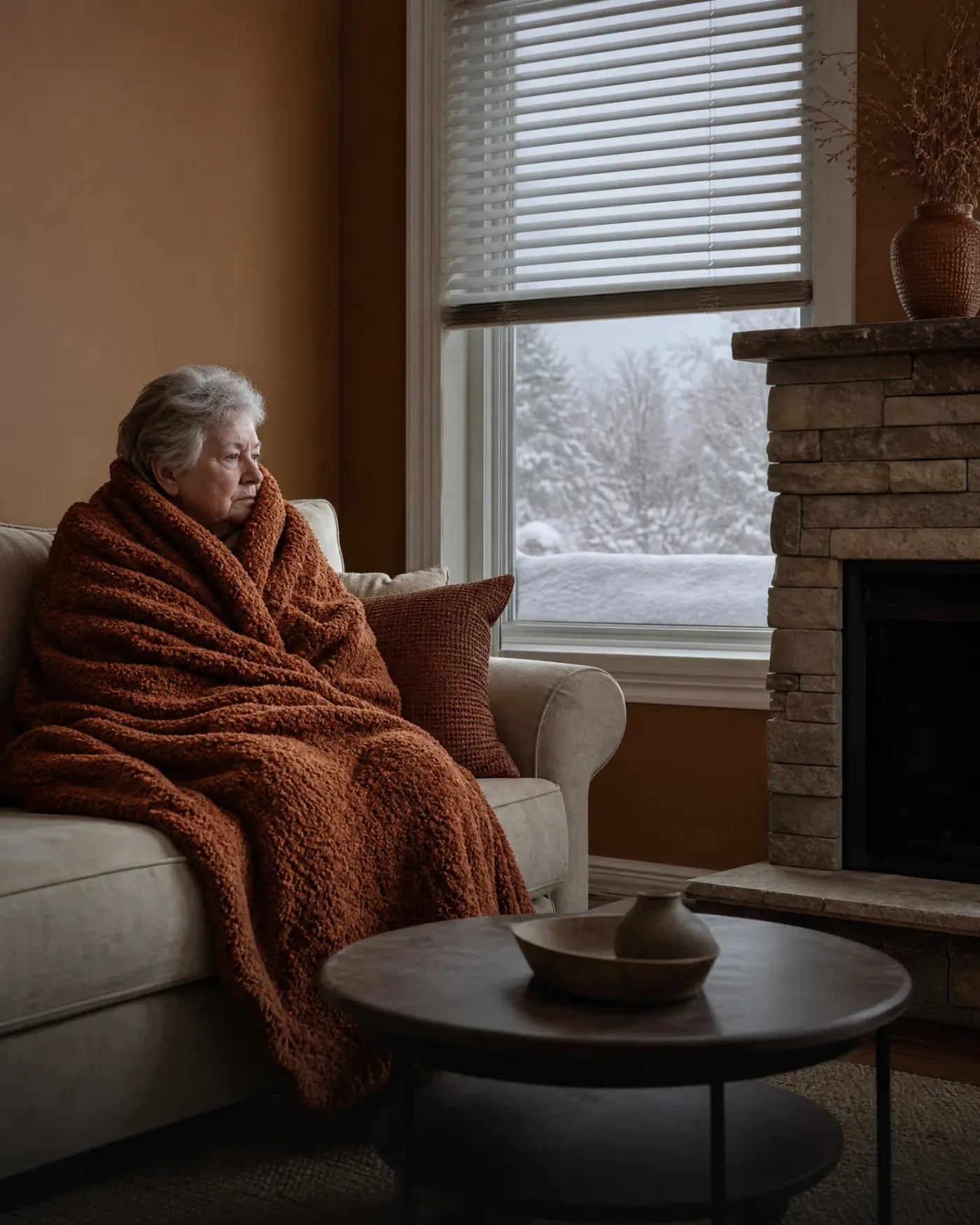
Ignitor doing its job
The strip glows, the gas catches, and the furnace settles into its cycle. Current through the ignitor stays where it should. Nothing downstream is forcing it to work harder than a few seconds at a time, cycle after cycle.
A furnace ignitor that keeps failing is usually getting too much power, too little power, or too much wear from turning on and off more than it should. Most homes in Oregon heat with electricity, and the ignitor itself only handles a small, specific voltage. If the furnace's control board is sending it the wrong amount, or if the flame sensor isn't picking up the flame fast enough, the ignitor works harder than it's built for and burns out again. A cracked ignitor from handling it, or a furnace that short-cycles because of a dirty filter or bad airflow, does the same thing over time. One replacement that fails again in a few weeks points to the real cause still being there, not the part itself. That's worth knowing before you pay for another ignitor that does the same thing.

Most furnaces built in the last couple decades use a hot surface ignitor, a thin strip that glows and lights the gas. It draws power for only a few seconds at a time, but that strip is brittle. A small voltage swing or a crack from repeated heating and cooling is enough to break it. Once it cracks, it won't glow hot enough to light the burner, and the furnace will not fire.

Every time the furnace starts, the ignitor heats up fast and cools down just as fast. A thermostat set too sensitive, a clogged filter, or a furnace sized too large for the space can make it cycle on and off more than it needs to. Each extra cycle is another round of heating and cooling for that strip. Over enough cycles, the metal fatigues the same way a wire snaps after enough bends back and forth.
You've replaced the ignitor once, maybe twice, and it keeps happening within a season or two. That's not normal wear. Something is repeatedly stressing a part that's built to last for years, and until that gets found, the next one will go the same way as the last.
Every time your furnace starts, the ignitor heats up and cools down, and that cycle is what eventually cracks it. If something else in the system is shutting the furnace off early, like a dirty flame sensor or a clogged filter choking airflow, the furnace restarts more often than it should, and the ignitor takes that extra wear every single time. A furnace that's supposed to run for ten or fifteen minutes and cycles in three or four is putting the ignitor through two or three times the starts it was built for. A technician checks for that pattern first, because replacing the ignitor again without finding what's cutting the cycle short just buys another few months.

The strip glows, the gas catches, and the furnace settles into its cycle. Current through the ignitor stays where it should. Nothing downstream is forcing it to work harder than a few seconds at a time, cycle after cycle.

Dust on the furnace and the ducting around it often comes with a dirty flame sensor or a clogged filter, and either one makes the furnace start and stop more than it's built for. Every extra cycle is another few seconds of strain on that same thin strip.




A furnace that short cycles, a flame sensor coated with residue, or a draft problem in the vent will all push an ignitor past what it's built for, and none of those show up when you just swap the part. You can keep buying ignitors every season, or you can have someone check why the last one didn't make it through winter. That means finding a contractor who works on furnaces, explaining what's already been replaced and what keeps happening, waiting on a callback, then doing it again with the next name on the list if the first one can't come out soon enough. Send the request once and that search is off your plate. You're not left comparing quotes or repeating the same story to whoever picks up. With electric heat running most homes here, a furnace that keeps cutting out is worth sorting before the cold months ahead make the failures harder to ignore.
The furnace takes a few tries to catch before it lights, or it fires and then shuts off again a minute later. You might hear the blower start, stop, and start again more than once in the same cycle. On a cold night that means rooms take longer to come up to temperature, and you're up checking the thermostat instead of just leaving it alone. If you've already swapped the ignitor once this season and it's doing the same thing again, that's the pattern showing itself.
Each failed ignitor is a service call and a part, and that adds up faster than fixing whatever is actually stressing it. A furnace that short cycles on a bad ignitor is also putting extra wear on the blower motor and the control board, since they're starting and stopping along with it. Left long enough, you're not replacing one cheap part on a schedule, you're looking at a bigger repair on something harder to reach. Oregon winters aren't the longest, but a furnace that won't stay lit on a cold night is still a problem that night.


A new ignitor costs little and fixes the symptom for now. If the real cause is a power or airflow problem, the replacement burns out again in a season or two.
A contractor can test voltage, draft, and cycling behavior to find what's stressing the ignitor, instead of guessing at the part again.


You keep track of what the furnace is doing, how many times it's tried to light, whether the ignitor is new again. That's time spent watching a part fail instead of living with a furnace that just works.
Send the form and that tracking is someone else's job. A contractor takes the call, asks the questions, finds what's actually stressing the ignitor, and you stop carrying it around in your head every evening.
On a 32°F night your furnace is holding a steady call for heat for hours, not cycling on for a few minutes and shutting off. That long, steady draw is exactly when a strained ignitor shows its weakness, since it's lighting far more often than it would on a mild evening.
NOAA nClimDiv 1991-2020 county normals weighted by homes


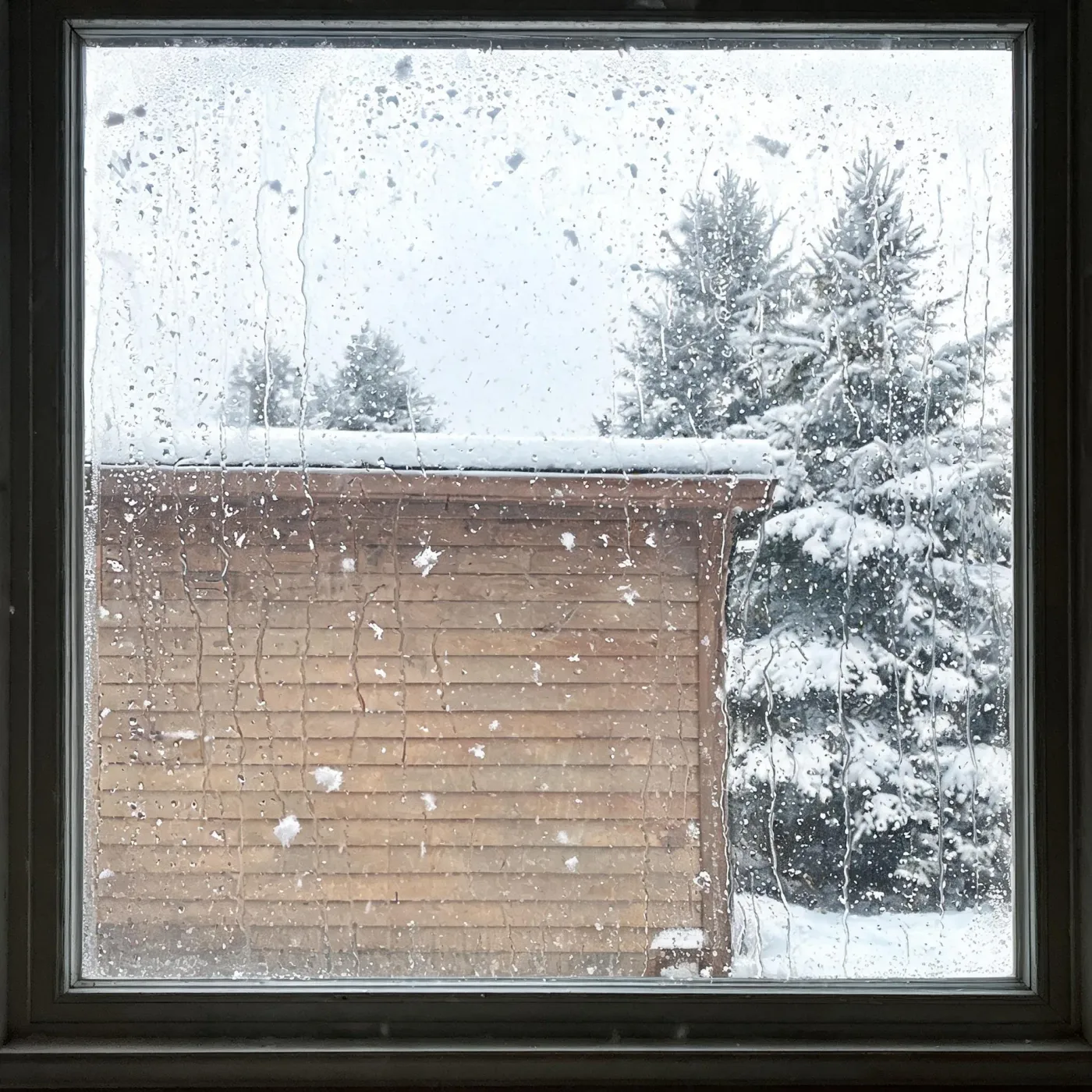
The National Weather Service puts Oregon's average winter night at 32°F. At that temperature your furnace isn't cycling on for a few minutes here and there, it's running long steady calls for heat that can stretch for hours. Each one of those calls starts with the ignitor lighting the gas, so a cold night asks far more lighting cycles of that strip than a mild one does. If the power feeding it is uneven, or something downstream is making it work harder than it should, those are the nights it shows. You'd notice the furnace hesitating before it catches, or the blower stopping and starting again partway through what should be one long run.
NOAA nClimDiv 1991-2020 county normals weighted by homes

A furnace ignitor that burns out once is just a part wearing out. One that burns out two seasons running means the power to it, the airflow around it, or the number of times it's firing is more than it was built for. Replacing it again won't change that. Finding what's actually straining it will.
Instead of calling around to find someone who works on furnaces, explaining the same two-ignitor history to each one, and sorting through different quotes and opinions, you send one form. From there, finding the right contractor is off your plate, and so is the back and forth of describing the problem again. You'll know your furnace is being looked at by someone who can test the actual cause, not just sell you another part.






Answer a few questions instead of calling shop after shop.
No charge to send it. You decide if you hire them.