A dark gray furnace with two access panels stands in a basement, connected to galvanized sheet-metal ductwork and PVC pipes, with exposed wood framing and a bare bulb light in the background.

Skip calling around

Why your furnace filter gets dirty fast in Oregon

A dirty filter faster than you'd expect usually comes down to what's running the furnace and what's in the air it pulls from. This page walks through why that happens in Oregon homes and what it means for the system behind it. Skip the search for a contractor, the explaining your filter situation twice, and the comparing of quotes. One local pro who works on furnaces like yours all year can take a look.

Skip the calls

A furnace filter in Oregon usually gets dirty fast because of how often the system runs, not just what's in the air. Most homes here heat with electricity, and electric furnaces push air through the ductwork constantly during the colder months, pulling dust, pet hair and whatever's settled in the vents through that same filter over and over. Mild summers don't ease the load much either, since the blower still cycles for any air handling the system does year round. The more hours the blower runs, the faster the filter loads up and the harder the furnace has to work to pull air through it. A filter that clogs within weeks instead of lasting the season isn't unusual here. It's worth checking yours on a regular schedule rather than guessing, since a clogged filter restricts airflow and can strain the blower motor over time.

A furnace in a dim basement with a dirty pleated air filter partially pulled out of its slot, beside a water heater and concrete walls and floor.

You're down in the basement on an October afternoon, and you've pulled the filter halfway out to check it before the first cold snap really sets in. It's only grey, not black, but the dust is already thick across the pleats, caught in every fold. The furnace is quiet right now, but you can feel the air still faintly warm around the cabinet from the last cycle. You hold the filter up to the bare bulb overhead and can barely see light through the far corner. It hasn't even been that long since you put it in. You set it on top of the furnace and go looking for the box to see what size you need.


A closed laptop and a cream mug of coffee on a coaster sit on a dark wooden table, with a potted plant at left and a kitchen counter, tiled backsplash and shelf of ceramics in the background.

Why electric furnaces load a filter faster

An electric furnace heats with a resistance coil instead of a burner, and it has no flue to vent exhaust outside. Every bit of air it warms is air it already pulled from your house, filtered, and pushed back out through the ducts. There's no pause built in for the coil to rest the way a gas burner cycles off between bursts of flame. The blower runs long and steady to get the air hot enough, and a steady blower means a steady pull of whatever dust, pet hair, or fine debris is loose in your ductwork.

That's the part a technician who services electric systems all winter would check first, and it's not always obvious from the basement. A tech who works on this equipment every season knows which return vents in a typical layout pull the heaviest, and which filter slot gets overlooked at the hardware store because the size printed on the frame is wrong for the unit. Instead of calling around to find someone who actually knows electric furnaces, or explaining the same dirty-filter problem to three different companies before one gives you a straight answer, you'd be working with one local contractor who already knows what to look for.

A gray upholstered sofa with a textured cushion sits beside a dark round side table holding a vase of green foliage, with a table lamp and sheer-curtained window behind.
A gray high-efficiency furnace in a basement with PVC venting pipes, a yellow gas line, metal ductwork, concrete walls and floor, and a wood-framed stairway at left.

Clean filter, steady airflow

This is what steady airflow through a clean filter looks like. Air moves through the plenum without resistance, and the furnace cycles the way it was designed to. The coil heats evenly, and whatever dust is in the air gets caught without choking the flow.

A beige furnace with a louvered front panel and metal ductwork stands on a concrete basement floor beside pipes and a white cylindrical water heater.

Loaded filter, restricted flow

This is an older furnace working against a filter that's gone past its point. The blower has to pull harder to push air through, and that strain shows up in shorter cycles and a furnace that runs more than it should to keep up.

How often should I really be changing my furnace filter?

You've heard the one-size-fits-all answer, every 90 days, and it doesn't match what you're seeing when you pull the filter out and it's already grey after a few weeks. With an electric furnace running almost constantly through an Oregon winter, you want a number that actually fits how your system runs, not a generic rule printed on the box.

Check it monthly, replace it when it's grey

The 90-day rule was written for furnaces that cycle on and off with a burner, not one that runs near-constantly pushing air through a resistance coil all winter. In an Oregon home heating with electricity, that filter can load up well before three months are up. Pull it out and hold it to the light once a month from October through April. If you can still see light through the pleats, put it back. If it's grey and the fold lines are thick with dust, replace it. A clogged filter forces the furnace to pull harder for the same airflow, and that strain lands on the coil and the blower motor, not just your power bill.

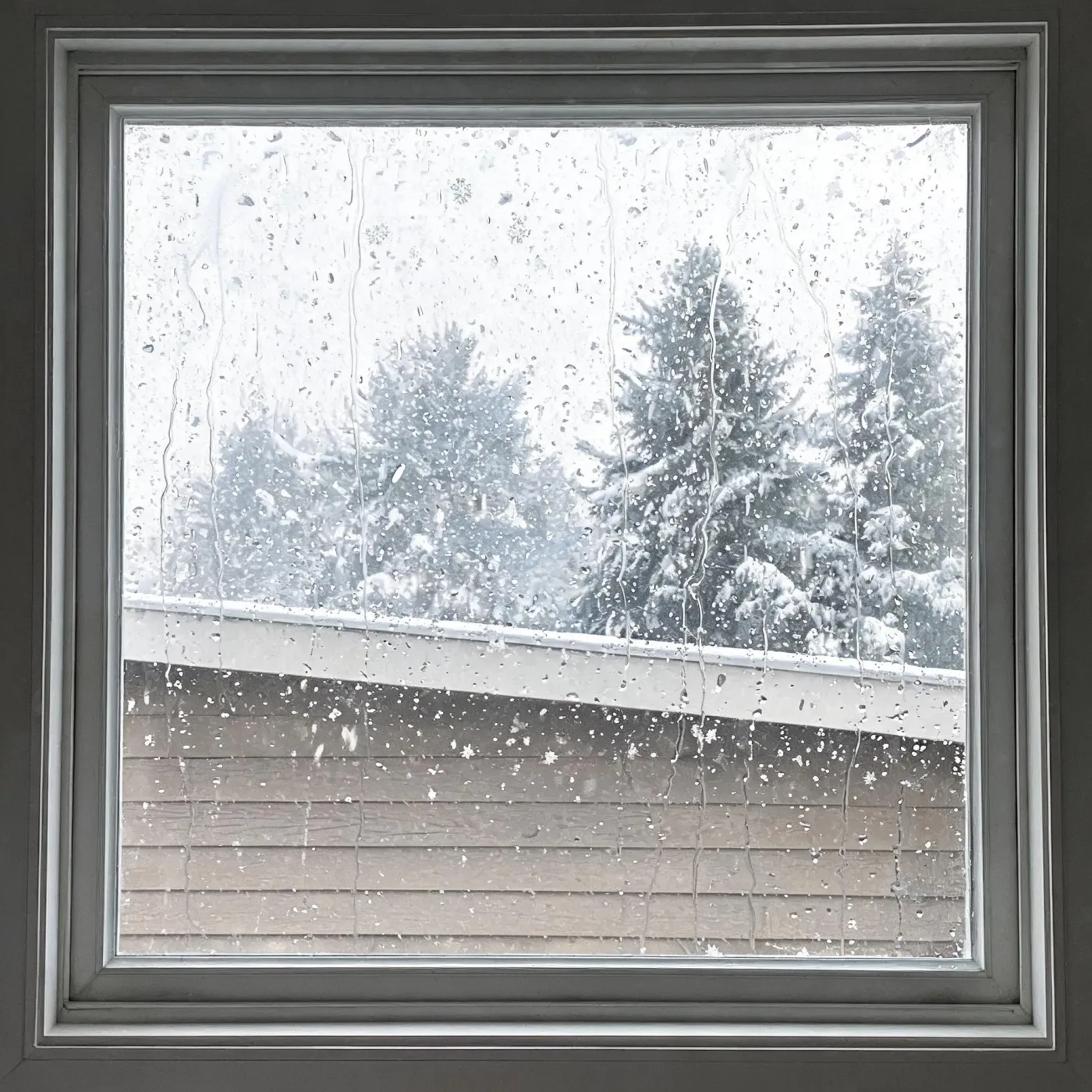
View through a square window with water droplets and condensation on the glass, showing snow-covered evergreen trees, a white railing or roof edge, and horizontal siding on a neighboring wall.

Winter nights average 32°F across Oregon, cold enough that the furnace is running most of the night, not cycling on and off a few times. An electric furnace holding a house at temperature through a night that sits right at freezing moves air for hours at a stretch, and every one of those hours is air pulled back through the same filter. That's why the pleats load up faster than the calendar suggests they should. You'll notice it most if you pull the filter in the morning after a cold night, when it's visibly greyer than it was a week before. Finding someone to check it means fewer calls than most home repairs take, since a contractor who works on electric furnaces all winter has usually already seen what a filter looks like at every stage of a season like this one. Source: National Weather Service, Oregon winter climate normals.

NOAA nClimDiv 1991-2020 county normals weighted by homes

Describe it once

By now you've got a sense of why that filter loads up so fast. The electric furnace in your house runs long hours all winter, and every one of those hours is air pulled through the same filter. That's not something you fix by remembering to check it more often. A contractor who works on electric furnaces around Oregon every winter has seen this exact pattern enough times to know what else to look at when a filter's loading up fast, whether the ductwork is pulling in more dust than it should or the furnace is cycling longer than it needs to. Instead of calling around to find someone who knows electric systems, explaining the same thing twice, and sorting through quotes, you put in the details once and a local contractor who handles this equipment gets them directly. That's one person looking at your actual filter and your actual furnace, not a list of names to work through on your own.

A gray high-efficiency furnace stands on a concrete basement floor beside galvanized sheet-metal ductwork, with white PVC vent pipes, gas and water lines, and unfinished wood framing behind it.
A clean filter lets the furnace pull air freely, so the coil heats evenly and the blower isn't working harder than it should.
A beige furnace with two louvered front panels stands on a concrete basement floor beside galvanized ductwork, metal pipes, and a wooden post.
A loaded filter forces the blower to strain against clogged pleats, and that strain is what eventually wears out the motor.

The blower's speed setting decides how much air passes through the filter in an hour, and electric furnaces tend to run that blower longer since a resistance coil puts out less heat per minute than a gas burner would. There's no pilot or burner cycle setting a minimum run time, so the thermostat can hold the furnace on for a long stretch instead of short bursts. Every one of those minutes is air pulled through the same pleats. As they load up, static pressure in the ducts climbs, and the blower motor has to work harder to push the same volume of air through a tighter path. Some of that dust never reaches the filter at all. It settles on the coil instead, which makes the coil heat less evenly and stretches the furnace's run time even further. And a standard filter rated for coarse particles still lets the finer dust through, so it keeps building in the pleats cycle after cycle, no matter where your return vents happen to pull from.

What's actually loading that filter

  • The blower motor's speed setting determines how much air moves through the filter per hour, and electric furnaces often run blowers longer to compensate for the lower heat output of a resistance coil versus a gas burner.
  • A clogged filter raises static pressure in the duct system, and that pressure makes the blower motor draw harder to push the same volume of air through.
  • The resistance coil has no minimum run time tied to a pilot or burner cycle, so the thermostat can call for heat in long stretches rather than short bursts.
  • Dust that collects on the coil itself, rather than the filter, reduces how evenly the coil transfers heat to passing air, so the furnace runs longer to reach the set temperature.
  • Return air ducts pull from wherever the vents are placed in the house, and a filter rated for coarse particles still lets finer dust pass through and build up in the pleats over repeated cycles.
  • A blower that runs more hours per day moves more cubic feet of air through the same filter than one that cycles briefly, even if the house is the same size.
A smiling woman with dark shoulder-length hair in a cream V-neck sweater sits at a marble counter with a glass of red wine, with a kitchen and softly lit living room behind her.
A woman in a dark green sweater laughs while seated at a marble kitchen island with a glass of red wine, with open shelving, cabinets and a living room visible behind her.
A woman with long dark hair in a cream knit sweater laughs while looking off to the side, seated at a counter with a glass of red wine, in a dimly lit living room with a sofa, lamp, framed pictures and houseplant behind her.
A smiling woman with long dark hair in a beige sweater sits at a marble kitchen counter with a glass of red wine, with a dimly lit living room behind her.

Winter nights average 32°F statewide

A low of 32°F means your furnace is holding the line against freezing, not just taking the chill off. It runs long stretches to do that, and every hour it runs is another hour of air passing through the same filter.

NOAA nClimDiv 1991-2020 county normals weighted by homes

Where That Leaves Your Filter

  • Your electric furnace's long winter runtimes load the filter faster than climate alone would explain.
  • A filter changed on a fixed calendar schedule misses what your own furnace's hours are actually doing to it.
  • A dirty filter strains the blower motor long before it starves the coil of air.
  • A contractor who services electric furnaces in Oregon every winter already knows this runtime pattern and checks for it.
  • One local, licensed contractor means one visit and one person who knows your system, not several quotes to sort through.
  • Catching a loaded filter early keeps the blower from working harder than the coil was built to need.

The grey pleats you pulled out in October were not bad luck. Your electric furnace runs long stretches to hold a house against a 32-degree night, and every one of those hours is air moving through the same filter. That is the pattern, more than anything in the outside air. A fixed 90-day reminder does not know your furnace's hours any better than you do before you check it, and by the time the filter looks black instead of grey, the blower has already been straining against it for a while. The coil will still heat evenly for a time. The blower motor is what wears first, pulling against pleats that are not letting air through the way they should.

This is the kind of pattern a contractor who works on electric furnaces in Oregon every winter has seen before, in houses running the same long hours yours does. They know what a loaded filter does to a blower months before it becomes a bigger repair, because they have been called out for that exact wear. Request a match through this page and it goes to one licensed local contractor, not a handful of companies competing for the job. That means one visit from someone who already understands how an electric furnace's runtime in this climate loads a filter, instead of sorting through several quotes from people who need the situation explained from the start.

At dusk, a dark board-and-batten house with a standing-seam metal roof and lit entry walkway of stone pavers, with two large outdoor heat pump units on a stone-walled pad at right and trees and hills in the background.

Furnace Maintenance

No phone calls to make

Step 1 of 3: Equipment
  • A dimly lit living room corner with a beige upholstered sofa holding a dark green cushion and a chunky knit throw, beside a wooden sideboard with a lit ceramic table lamp, a small potted plant, and a wooden bowl, with a framed artwork on the wall and a mug on a book in the foreground.
    • Describe your furnace job, and a local pro who handles it gets in touch.
    • Say what's going on with your furnace, and a pro who works on them reaches out.
  • A round wooden coffee table holding a round stone vase of green foliage, a lit candle in a glass container, and a small dark bowl, with a beige sofa, cushions and knit throw behind and a window at left.
    • Once you send the form, finding a pro is off your list.
    • After you send the request, you're done searching.
  • Sunlit living room with a wooden coffee table holding a ceramic vase of leafy branches and a carved wooden tray with two stacked books, in front of a beige sofa with tan and green cushions and a potted plant near a window.
    • Fill out one form instead of calling around for a furnace tune-up.
    • Fill out one short form instead of calling around.
  • Interior corner with a lit ceramic table lamp and wooden bowl on a wood sideboard, a framed picture and branch-filled vase behind, a knit throw over an upholstered chair, and a lit candle in a glass holder, stoneware mug and round planter of green foliage on a wooden table in the foreground.
    • Only one pro gets your request, so you hear from one company.
    • Your request stays with one local pro.